

Verified: 2026-07-10 · Author: Maketto Team
Japan is the world's largest market for genuine JDM parts: it still sells parts discontinued long ago, runs thousands of dismantlers, and its tuning brands — Nismo, TRD, Mugen — build parts specifically for the domestic market. You search by chassis code (e.g., BNR34) and part number, on JDirectItems auctions and dismantler shops. Buying is done through a proxy service.
Why do people hunt for JDM parts in Japan specifically?
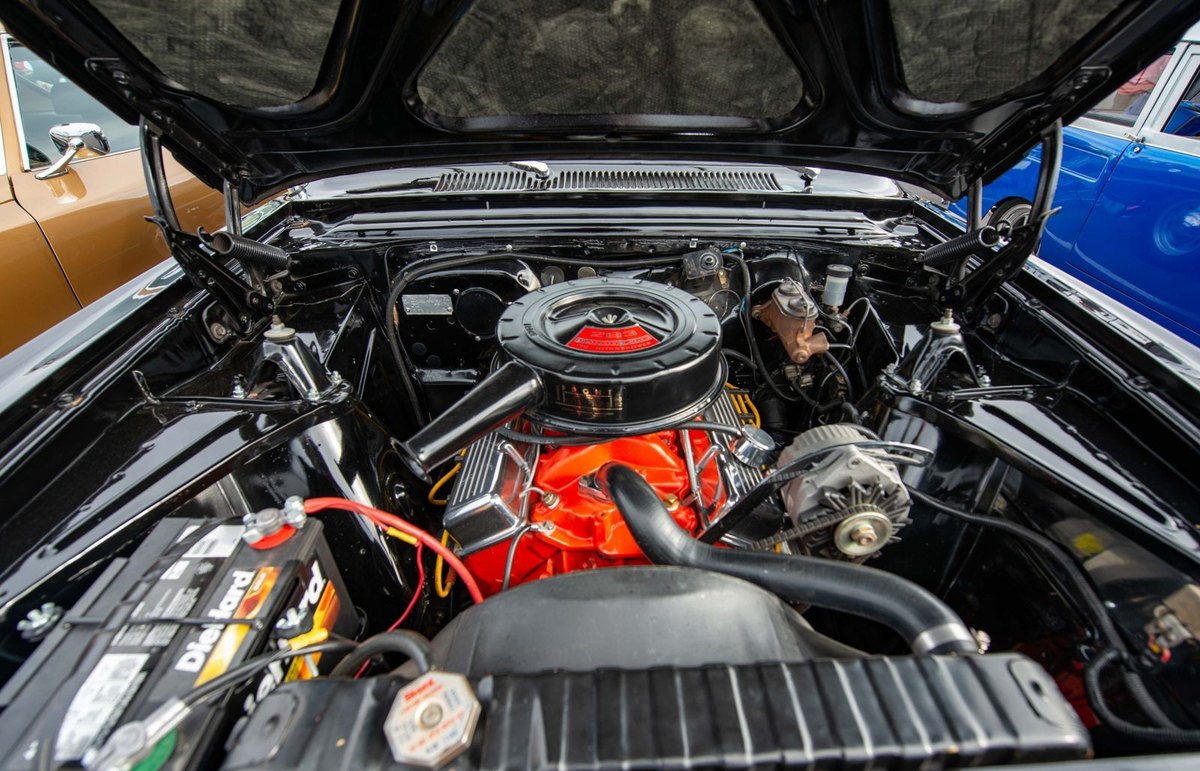
Because right-hand-drive models (Skyline, Supra, RX-7, Impreza, Civic Type R and more) were built first and foremost for the Japanese market — and the stock of parts for them stayed there too. Three reasons Japan covers what your region doesn't:
- Discontinued parts. Many iconic JDM models are 20–30 years old. You can no longer order original body panels, lights, interior and electronics from the automaker — but they still surface on Japan's secondary market.
- Dismantlers (解体屋). Japan has a huge auto-dismantling industry: cars retired by mileage or minor accidents are carefully stripped for parts, photographed and listed on pro auctions and platforms like JDirectItems. That's where engines, gearboxes, doors and lights with a clear history come from.
- Works and semi-works tuning. Nismo (Nissan), TRD (Toyota), Mugen and Spoon (Honda) make parts for specific Japanese models. Some of these were never officially exported.
Genuine or tuning: how does 純正 differ from 社外?
In short: 純正 (junsei) is a genuine OEM part from the automaker itself, while 社外 (shagai) means "aftermarket" — a part from a third-party maker. You'll see both words constantly in listings, and mixing them up is costly.
A separate category is branded tuning. Here the brand's status matters, and it's confirmed by their official sites:
- Nismo — Nissan's own racing and tuning division (part of Nissan Motorsports & Customizing since 2022). Effectively a factory brand.
- TRD (Toyota Racing Development) — Toyota's tuning arm; parts flow through Toyota Customizing & Development.
- Mugen (M-TEC) — an independent company closely tied to Honda; makes premium parts and body kits for Honda models.
- Spoon Sports — an independent Honda specialist shop founded in 1988 by a former factory test driver.
So Nismo and TRD parts are closer to "semi-works," while Mugen and Spoon are premium independent tuning. All four are real Japanese brands with official catalogs (links in Sources), not no-name aftermarket.
How to find a part: by chassis code and part number
The main key to searching is the chassis code (型式, katashiki): a short alphanumeric code that uniquely identifies a car's generation and variant. You search by that plus the component name, and if you know the manufacturer's exact part number, it pinpoints the one part that fits. Reference points for iconic JDM models:
| Chassis code | Car | Engine |
|---|---|---|
| BNR34 | Nissan Skyline GT-R (R34) | RB26DETT |
| JZA80 | Toyota Supra (Mk4) | 2JZ-GTE |
| FD3S | Mazda RX-7 (3rd gen) | 13B-REW (rotary) |
| EK9 | Honda Civic Type R (1st gen) | B16B |
| GC8 | Subaru Impreza WRX STI (1st gen) | EJ20 |
| AE86 | Toyota Corolla Levin / Sprinter Trueno | 4A-GE |
Chassis codes are the standard way JDM models are identified; checked 2026-07-10. The full code in documents is longer, but the base code is enough to search for a part.
The workflow is simple: find the part number from your VIN/chassis code (via a catalog or a specialist), then search that number on JDirectItems and dismantler shops. The auction mechanics themselves — timer, bids, "buy it now" — we covered in a separate article on JDirectItems.
Japanese terms you'll see in a listing
The seller describes a part's condition themselves — the platform doesn't verify it — so a glossary saves money and nerves:
| Term | Reading | Meaning |
|---|---|---|
| 純正 | junsei | genuine / OEM (factory part) |
| 社外 | shagai | aftermarket / non-genuine |
| 新品 | shinpin | brand new |
| 中古 | chūko | used |
| 動作確認済み | dōsa-kakunin-zumi | tested, confirmed working |
| 未確認 / 動作未確認 | mikakunin | NOT tested |
| 訳あり | wake-ari | has a defect / sold with a caveat |
| ジャンク | junk | for parts, no guarantees |
| 型式 | katashiki | model / chassis code |
| 車台番号 | shadai-bangō | chassis number (used to verify fitment) |
Source: Jisho dictionary and proxy-service guides to Japanese auctions, checked 2026-07-10.
Judging a part's condition from photos
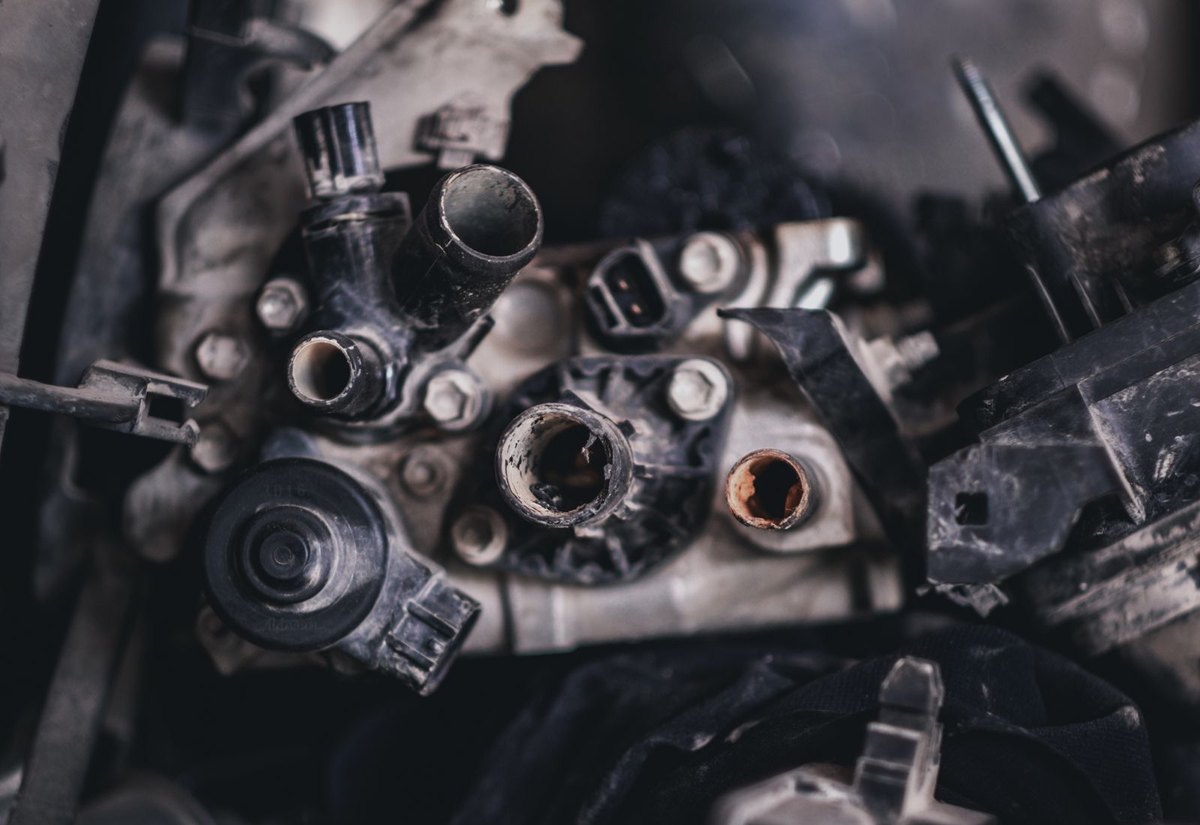
The rule is the same as on auctions generally: trust only the photos and the seller's rating, not the adjectives. What to ask for and look at:
- Close-up photos from every angle — especially mounting points, connectors and edges. For lights: the ends and mounting tabs (often cracked). For body parts: chips, corrosion, signs of bodywork.
- The part number on the part itself — check it against what you're after; on many Japanese parts it's cast in or labeled.
- 動作確認済み vs 動作未確認 — for electrics, lights and control units this is critical: "not tested" is a lottery.
- Seller rating and feedback — professional dismantlers carry a high, long track record.
Lots marked 訳あり or ジャンク are bought deliberately and at a discount: there are no returns on them.
Oversized parts: what does it cost to ship a bumper, hood or headlights?
Honestly: shipping large parts is often pricier than it looks, because couriers charge not just actual weight but volumetric (dimensional) weight. The formula used by international express services (DHL, FedEx, UPS): length × width × height (in cm) ÷ 5000 = volumetric kg. You're billed the greater of the two — actual or volumetric. Some air rates use a 6000 divisor, but the principle is the same.
| Part | Dimensions (cm) | Volumetric weight | Actual weight |
|---|---|---|---|
| Headlight | 60 × 40 × 40 | ~19 kg | 3–4 kg |
| Bumper | 150 × 50 × 40 | ~60 kg | 5–8 kg |
| Hood | 150 × 120 × 20 | ~72 kg | 8–12 kg |
Example uses the 5000 divisor, checked 2026-07-10. Figures are illustrative — exact dimensions depend on the model.
That's exactly why a light but bulky bumper "weighs" dozens of kilograms by the rate. What to do about it:
- Estimate shipping ahead of time on the calculator on the maketto.jp homepage (weight + country) — the item price and commission are clear right away, while exact weight and dimensions are known once the part reaches our warehouse.
- Small parts are worth consolidating into one parcel — cheaper than shipping them one by one.
- Mind courier limits. Japan Post EMS caps out at 30 kg (20 kg to some destinations), with length and length-plus-girth limits; oversized panels can exceed EMS and go by air courier or sea freight.
- For engines and large assemblies there are different shipping options — write to a manager, and we'll match one to the specific part and destination.
Are there limits on shipping engines and large assemblies?
Some large items — whole engines, fluid-filled or battery-containing units — face carrier and customs rules, and a few can't go the standard courier route. This is normal for international shipping, not a Maketto quirk. The practical answer: most individual parts — body panels, lights, interior, small assemblies — ship fine; for large assemblies and engines, write to us first and we'll tell you whether it works and pick a shipping option. We handle the sourcing, the seller, and the logistics; you don't navigate it alone.
How to buy a JDM part through Maketto
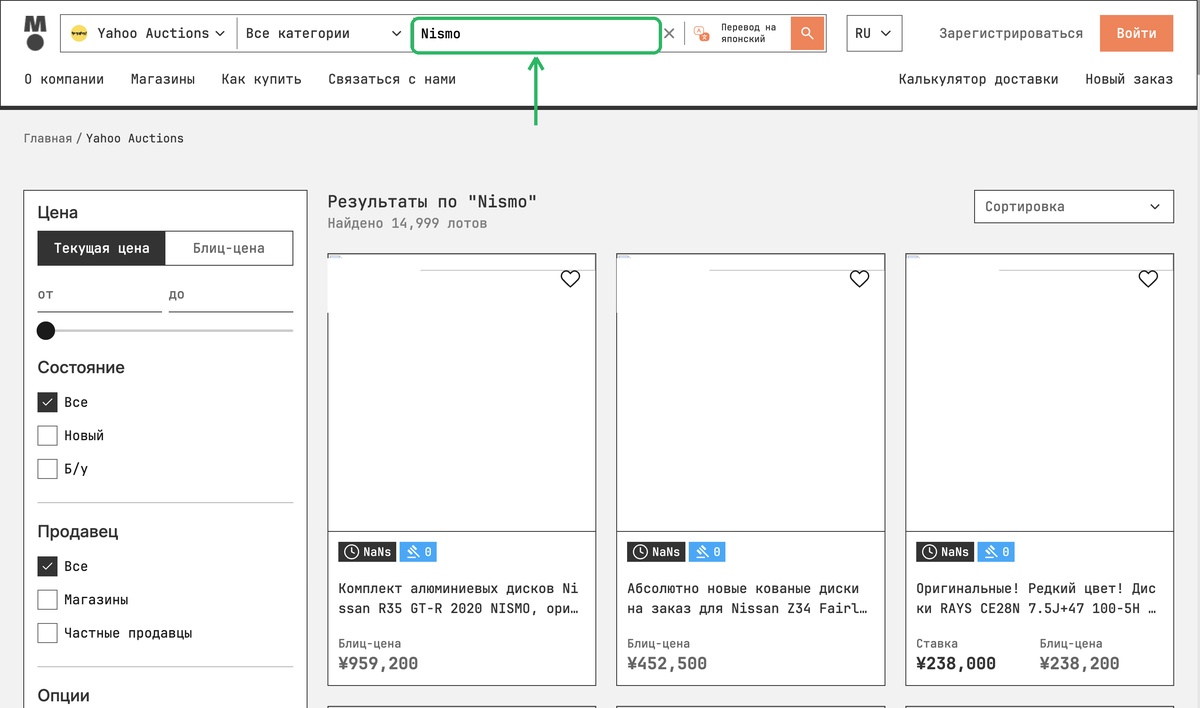
Japanese auctions and dismantlers are an insider's world: Japanese-language sites, Japanese payment, domestic-only shipping. Maketto bridges it — auction lots appear in a catalog, and for anything else the Assisted service buys the part and speaks to the seller or dismantler in Japanese on your behalf. That last point matters with dismantlers, who often answer fitment questions only in Japanese. The commission is 10% (minimum ¥1,000) for the whole service — sourcing, purchase, warehousing, a photo check, seller communication and arranging shipping — and it, like the lot price, is clear from the start; shipping you estimate on the maketto.jp homepage calculator by weight and country, with the exact weight learned at the warehouse. See how it works →
FAQ
Can I buy from a Japanese auction directly, without a proxy? Practically no: the sites are in Japanese, sellers take Japanese payment and ship within Japan. You need a proxy to buy the lot and forward it to you.
How do I know which part fits my car? By the chassis code (型式) and the manufacturer's part number. Knowing both, you find the exactly compatible part; when unsure, verify against the number cast into the part itself.
Are Nismo and TRD genuine or tuning? Semi-works tuning: Nismo is Nissan's division, TRD is Toyota's arm. Their parts are made for specific models, but they aren't stock 純正. Mugen and Spoon are independent premium Honda tuning.
Why is shipping a bumper so expensive? Because of volumetric weight: couriers count dimensions (L×W×H÷5000), so a light but large bumper "weighs" dozens of kg by the rate. Estimate it on the calculator beforehand.
Can you inspect the part before shipping? We do a photo-based check and relay the seller's condition and images; note that on used and ジャンク lots the seller's description is self-declared and returns generally aren't possible.
Key takeaways
- Japan is the prime source of genuine JDM parts: discontinued parts, a developed dismantler industry, and works/semi-works tuning (Nismo, TRD, Mugen, Spoon).
- Search by chassis code (型式) and part number to find the exactly compatible part, and keep 純正 (genuine) and 社外 (aftermarket) straight. Condition is self-declared by the seller, so trust the photos, the part number and the rating, not the adjectives — 動作未確認 and ジャンク are a lottery.
- Large parts are costly to ship because of volumetric weight (dimensions ÷ 5000), so consolidate small items and estimate shipping on the calculator; some large assemblies and engines also face carrier/customs rules, so write to a manager for the specific part.
Sources
- Japan Post — EMS weight and size limits (up to 30 kg, length and length-plus-girth):
https://www.post.japanpost.jp/int/ems/size/index_en.html— checked 2026-07-10. - DHL — what dimensional (volumetric) weight is and the 5000 divisor:
https://www.dhl.com/discover/en-jp/logistics-advice/import-export-advice/what-is-dimensional-weight— checked 2026-07-10. - Nismo — official site (Nissan's tuning division):
https://www.nismo.co.jp/en/; TRD — official parts catalog:https://www.trdparts.jp/english/— checked 2026-07-10. - Mugen (M-TEC) — official site:
https://www.mugen-power.com/; Spoon Sports — official site:https://spoonsports.com/— checked 2026-07-10. - Jisho — Japanese terminology dictionary (純正 / 社外 / 型式 / 訳あり):
https://jisho.org/— checked 2026-07-10.
Update history
- 2026-07-10 — article published.